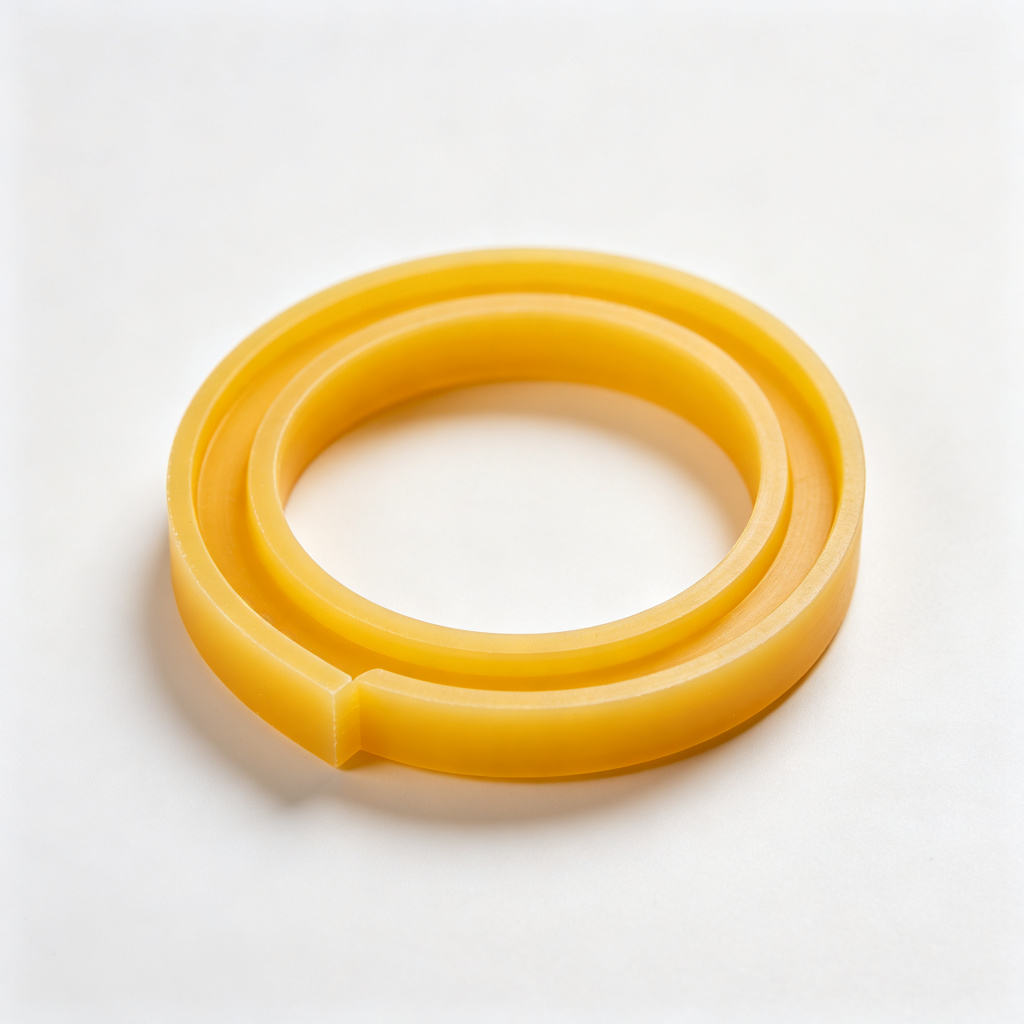
A hydraulic wiper seal, also called a dust seal or rod scraper, is fitted at the cylinder head where the piston rod exits the hydraulic cylinder. This hydraulic wiper seal wipes dust and dirt off the piston rod on each retraction stroke and keeps external contaminants from entering the cylinder, so the inner pressure seals and guide parts stay protected. It is a dirt-excluding component rather than a pressure-bearing seal, working alongside the rod seal and piston seal inside the cylinder.
What Is a Hydraulic Wiper Seal
The hydraulic wiper seal sits on the atmosphere side of the gland, facing outward toward the outside environment. As the rod moves in and out, its wiping lip rides along the rod surface and removes accumulated dust, mud, sand and moisture before the rod re-enters the cylinder. By clearing the rod before it passes the inner seals, the wiper seal prevents grit from being dragged into the gland, where it would score the rod, wear the seal lips and shorten seal life.
Unlike the rod seal that retains hydraulic oil under pressure, the wiper seal does not hold system pressure. Its role is contamination control: keep dirt out, protect the rod surface and preserve the lubrication condition of the internal sealing set. In a complete cylinder assembly, the wiper seal is the first line of defense against external dirt, while the rod seal and piston seal handle fluid retention.
Material: PU and NBR
We supply the hydraulic wiper seal in two common elastomer materials:
- PU (polyurethane): high wear resistance and good elasticity, suited to abrasive outdoor conditions and repeated rod movement
- NBR (nitrile rubber): good oil resistance and a cost-effective general choice for mineral hydraulic oil service
PU wiper seals are commonly selected where the cylinder works in dusty, muddy or abrasive environments, because the material resists cutting and wear over many cycles. NBR wiper seals offer reliable performance in general hydraulic service with good compatibility with mineral oil. The material choice depends on the working environment, fluid type, temperature and the level of contamination the rod faces. For background on rod wiper and dust seal designs, see this hydraulic rod wiper seal function guide.
How the Wiper Seal Protects the Cylinder
When the piston rod extends, it picks up dust, dirt and moisture from the outside air and surrounding equipment. Without a wiper seal, that contamination rides back into the gland on the retraction stroke, mixes with the hydraulic oil and abrades the seal lips, rod surface and bore. The hydraulic wiper seal scrapes the contaminant off the rod at the gland entrance, so the dirt stays outside the cylinder instead of reaching the pressure seals.
This protection reduces scoring on the rod, delays wear on the inner rod seal and piston seal, and lowers the chance of leakage caused by contaminated oil and damaged seal edges. At maintenance intervals, the wiper lip should be checked for cracks, hardening, flattening or embedded grit; a worn wiper should be replaced together with the internal sealing elements so contamination control is restored.
Typical Applications
This hydraulic wiper seal is used on outdoor hydraulic cylinders exposed to dust, dirt and weather. Common applications include:
- Outdoor hydraulic cylinders on mobile and industrial equipment
- Cranes and lifting machinery
- Excavators and construction machinery
- General hydraulic systems working in dusty or muddy environments
It forms part of a matched sealing set together with the other cylinder components. Related products in our range include the hydraulic guide ring, which keeps the rod aligned and carries side load, and the hydraulic cylinder seal kit, which supplies the rod seal, piston seal and wiper elements for a complete reseal.
MOQ and Custom Service
The minimum order quantity for this hydraulic wiper seal is 500 pieces. We supply standard sizes matched to common rod diameters and can produce custom seal profiles and dimensions to your drawing or measured sample. OEM and ODM service is available, including material selection and packing to your project requirement.
Send us the rod diameter, groove dimensions, working environment, fluid type and whether the cylinder operates outdoors or in dusty conditions, and our engineers will confirm the wiper seal material and size for your application.
Browse our full hydraulic seal range, including piston seals, rod seals, guide rings and back-up rings for construction machinery and industrial hydraulic systems.